Getting a new roof is a significant investment that enhances both the value and safety of your home. Adequate preparation ensures that the construction process is as smooth and successful as possible. By understanding what steps to take before, during, and after the project, homeowners can prevent costly mistakes and ensure long-term satisfaction. Proper preparation involves assessing your material needs, safeguarding your home environment, understanding the structural process, and planning for inevitable weather disruptions. This guide provides comprehensive insights into each aspect, helping homeowners navigate the complexity with greater ease and assurance.
Selecting Ideal Structural Materials
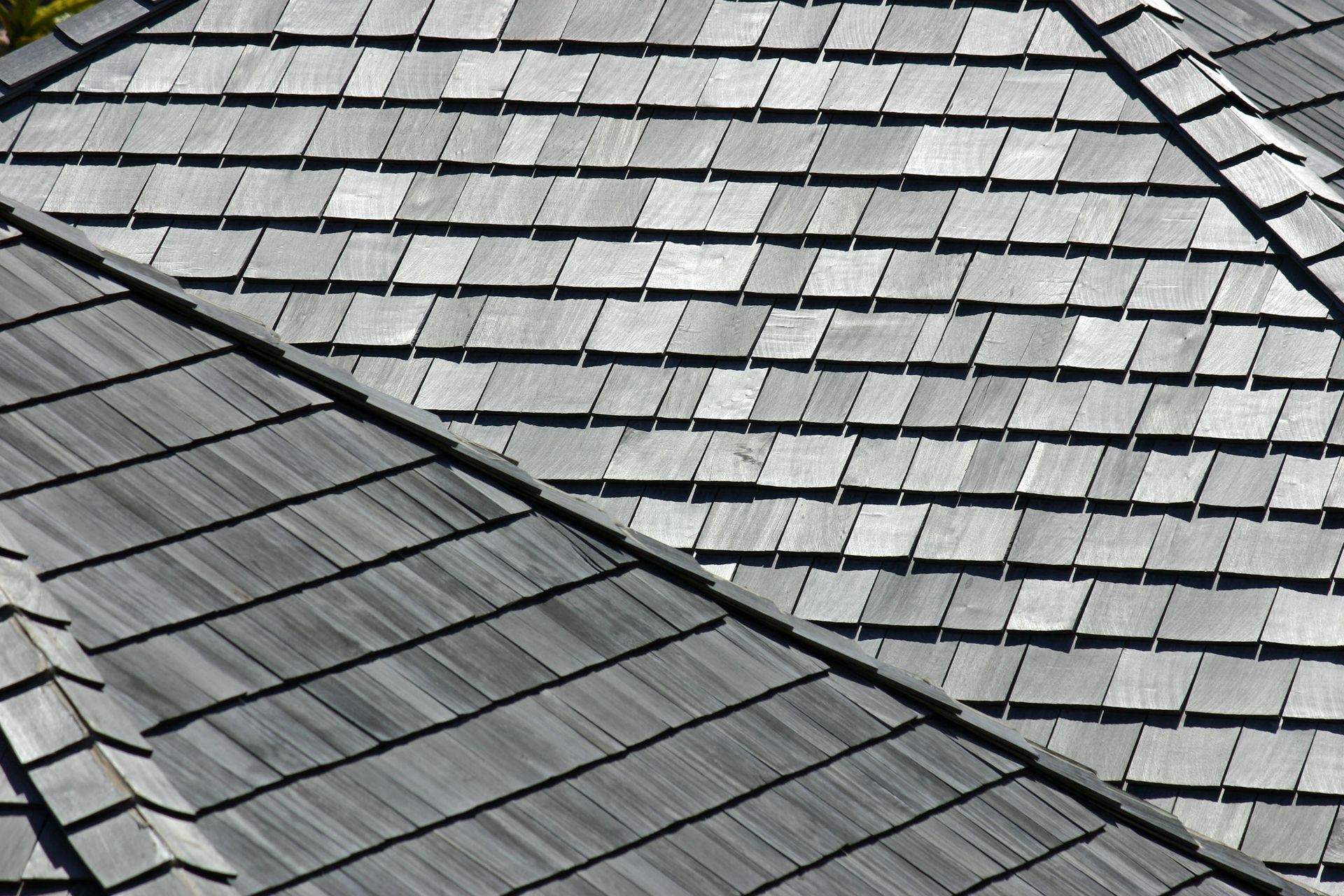
Choosing the right type of roofing material is crucial as it directly affects long-term durability, overall building aesthetics, and household energy efficiency. Common options include asphalt shingles, metal panels, and clay tiles, each with distinct structural advantages tailored for varying regional climates. Asphalt shingles remain popular for their absolute cost-effectiveness, whereas premium metal options offer exceptional longevity and thermal reflection. Clay tiles, though representing a higher initial investment, provide unmatched protection in arid, hot climates. Roof installations require a clear understanding of these distinct material characteristics so you can make informed decisions aligned with your home's environmental needs.
In addition to the primary weather-facing materials, homeowners must consider the internal ventilation components that complement the outermost layer. Proper ridge vents, soffits, and baffles work together to regulate temperature extremes within your attic space, preventing heat blisters in summer and ice dams in winter. When these components are neglected, even the highest-grade shingles can deteriorate rapidly, cutting their expected service life in half. Evaluating how different material combinations interact with your specific home style ensures that your new asset operates as a highly integrated, high-performance protective shield.
Allocating Real Project Finances
Budgeting for an upcoming home improvement project demands a careful assessment of initial material costs versus long-term structural benefits. While heavy materials like clay tile and standing-seam metal require higher upfront capital, their extended lifespans and low maintenance costs lead to massive net savings over time. It is vital to set a realistic budget that accounts not only for base materials but also for specialized architectural labor. Additionally, unexpected structural expenses, such as repairing a rotted plywood substrate, should be factored into your financial planning. Managing complex roof installations without financial strain requires this type of thorough, proactive line-item budgeting.
Beyond the visible line items, an analytical budget must feature an auxiliary contingency fund of at least ten to fifteen percent of the total project estimation. Once the crew strips away the old weathered shingles, hidden anomalies like insect damage, sagging rafter ties, or deteriorated flashing often become visible. Having a dedicated financial cushion ensures that these critical structural repairs can be handled immediately, avoiding dangerous corners being cut due to sudden financial panic.
Hiring Qualified Trade Specialists
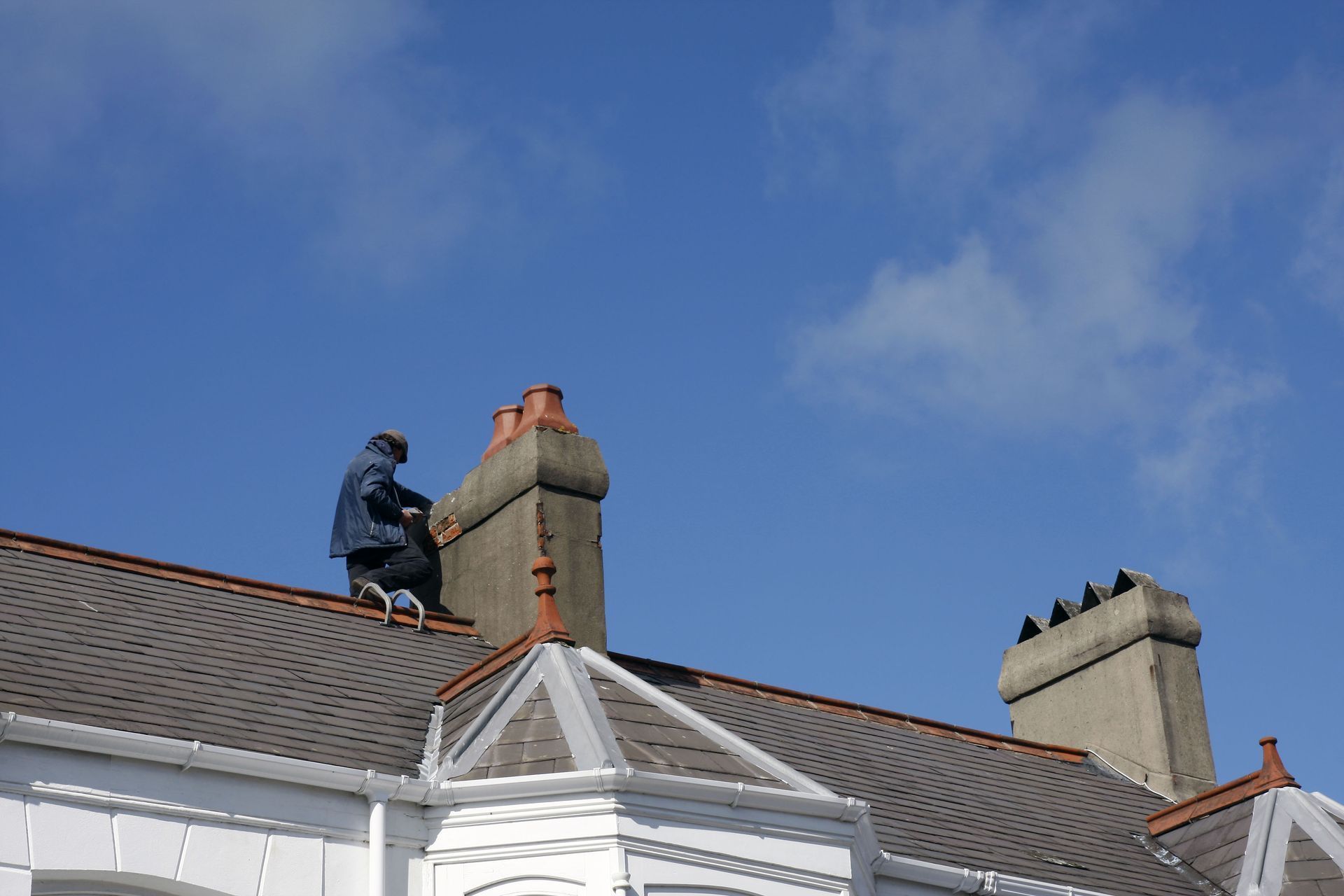
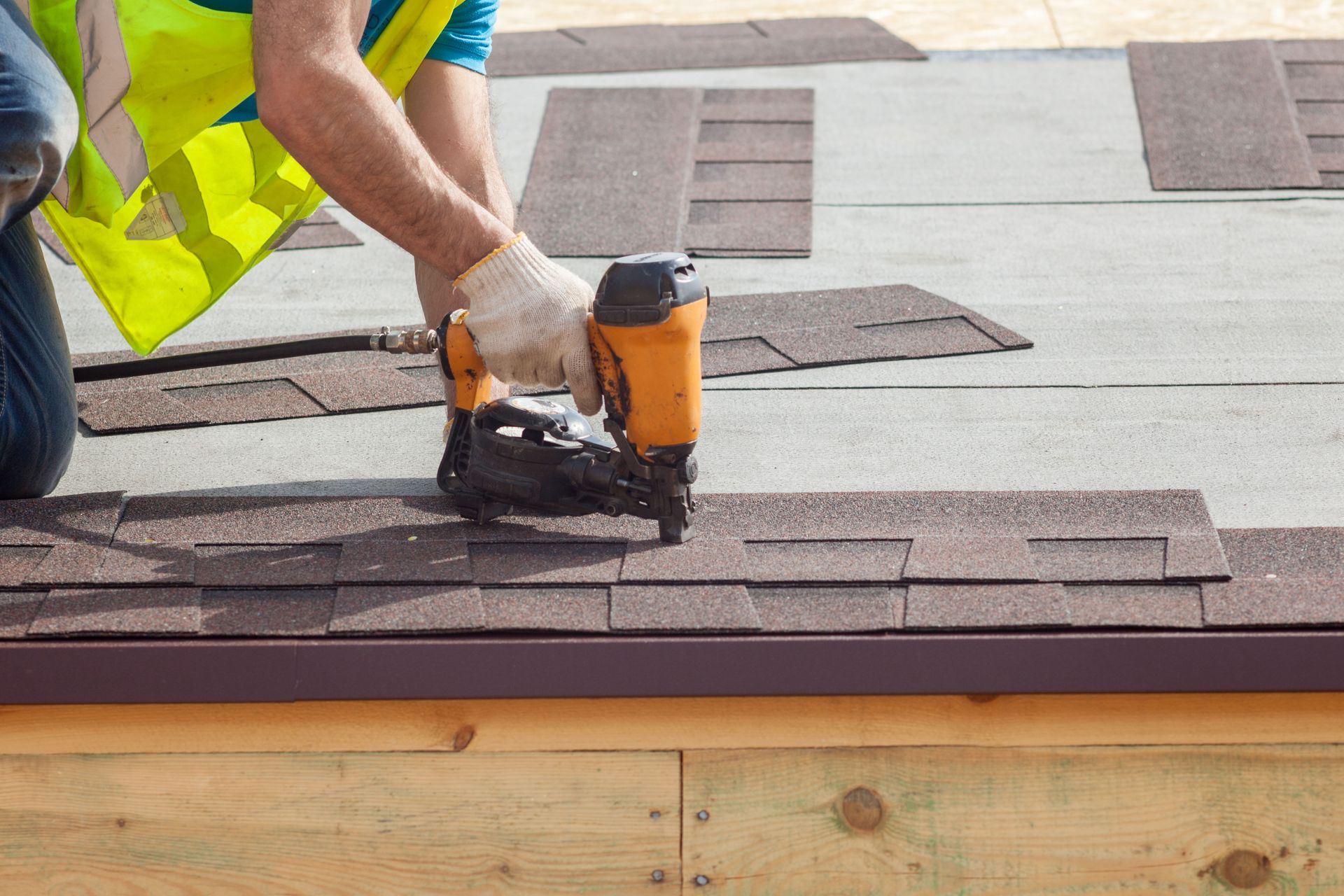
Selecting the right team is integral to the ultimate structural success of your home remodeling project. Property owners should specifically target established companies with verified local experience, active state licensing, and comprehensive liability insurance to protect against accidental damage. Reading online reviews and obtaining detailed line-item quotes from multiple businesses helps gauge overall reliability and market value. A highly professional crew will always provide detailed site safety plans and clear project timelines, ensuring you remain completely informed. Entrusting your roof installations to credentialed professionals eliminates operational risk and guarantees that all workmanship meets modern building codes.
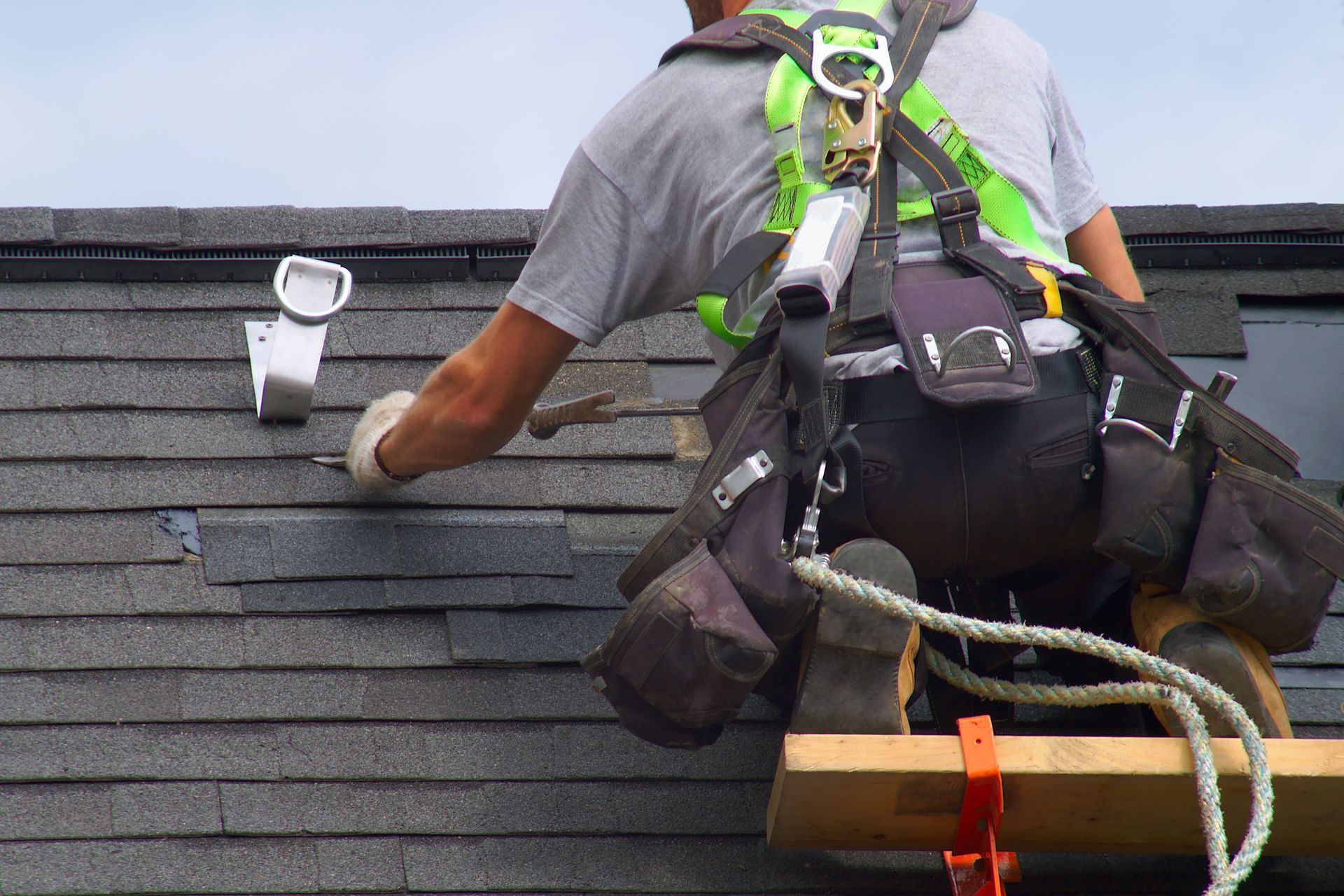
Furthermore, a verified contractor should offer transparent details regarding their on-site safety equipment and cleanup methodologies. A high-quality crew will deploy protective catch-all nets around your home's perimeter to trap stray nails and falling debris, protecting your family and landscaping from construction hazards. During your initial consultations, ask companies whether they utilize subcontracted labor or maintain full-time, factory-certified installation teams. Choosing a business that invests deeply in continuous workforce training guarantees a higher caliber of precision crafting and ensures that your property is treated with utmost respect.
Preparing Your Home Environment
Preparing your home begins with clearing the immediate work area, ensuring that both interior and exterior zones remain completely free of mechanical obstructions. This clear perimeter allows heavy machinery easy access to your siding and reduces the risk of on-site accidents. Outdoor patio furniture, vehicles, and delicate garden items should be moved or securely covered to prevent falling debris from causing damage. Inside the home, clearing open pathways and protecting fragile wall decorations from shifting vibrations is highly recommended. Executing these steps before roof installations begins streamlines the construction workflow and protects your personal property.
Additionally, homeowners must communicate directly with their adjacent neighbors regarding the scope and timing of the project. Construction zones inherently generate substantial noise and dust that can easily cross property boundaries, potentially impacting nearby households or parked vehicles. Providing advanced notice allows neighbors to adjust their personal schedules, secure their own outdoor pets, and move vehicles away from shared driveways or property lines. This simple act of neighborly courtesy fosters community goodwill, avoids unnecessary disputes, and ensures a supportive neighborhood environment throughout the entire construction cycle.
Monitoring Local Weather Patterns
Weather conditions play a defining role in construction scheduling, necessitating diligent daily tracking of regional environmental updates. Sudden changes in meteorological patterns can disrupt building schedules and introduce moisture risks, warranting immediate adjustments to the master timeline. According to HomeGuide, precipitation, heavy winds, or temperatures below 40° F will cause roof installations to be delayed, underscoring the vital importance of real-time site updates. Tracking these climate shifts closely protects your exposed home interior and ensures that materials cure under optimal manufacturing specifications.
Moreover, if unexpected precipitation occurs while your home is partially exposed, a highly skilled crew must be ready to quickly deploy waterproof commercial tarps to prevent internal structural damage. Working in high-wind conditions can compromise the safety of the technicians and make it nearly impossible to align shingle patterns with the required precision. By aligning the project timeline with favorable local climate outlooks, homeowners can minimize the amount of time their structural deck is vulnerable to the elements, resulting in a cleaner, faster, and far more secure construction experience.
Reviewing Structural Protective Warranties
Understanding how regional environmental conditions influence your long-term product coverage is essential for preserving your financial investment. Many manufacturers include specific stipulations regarding coverage validity following major storm events or improper mechanical handling. Property owners should carefully explore these deep warranty provisions, seeking written clarifications from their contractor to avoid future structural misunderstandings. Complementing these manufacturer warranties with comprehensive homeowners insurance policies offers total protection against unexpected wind or hail damage. Finalizing roof installations with clear, fully documented warranty protections guarantees long-term peace of mind and structural security.
It is also important to note the critical distinction between a manufacturer’s material warranty and a contractor’s workmanship warranty. The material warranty covers premature degradation of the shingles or metal panels themselves, while the workmanship warranty protects you against installation errors, such as misaligned flashing or improperly driven fasteners. Securing extensive, multi-decade written guarantees for both categories ensures that your home remains fully insulated from future repair liabilities.
Taking a proactive approach to your upcoming remodeling project by addressing material selections, site safety, and environmental challenges ensures a highly efficient workflow. Understanding every structural phase of the process leaves property owners with complete confidence in their long-term investment. Ultimately, a properly executed project upgrades home security, property value, and thermal efficiency. To secure your home with premium materials and work with a top-rated local team, schedule your comprehensive site assessment with Rock Solid Roofing.